General
Herbs
Orders are sent out in the first half of each week to reduce time in transit, see Delivery information. If there is something you are interested in which you cannot find, let us know - we might be able to source or grow it for you!
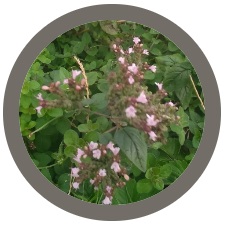
Pack of 10: Oregano (Origanum vulgare)
£5.00
A hardy perennial herb with aromatic leaves used in Mediterranean cooking. Easy to grow, compact and drought tolerant.
6 in stock
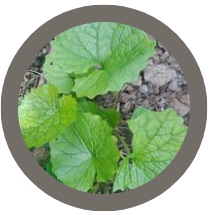
Pack of 5 CROWNS: Garlic mustard (Alliaria petiolata)
£6.00
The leaves are used in salads, or as a flavouring for fish or meat. Young, fresh leaves can be picked in September when they first appear, and may be harvested until the flowers bloom the following spring. Shade-loving plant.
6 in stock

Pack of 2 plants: Rupturewort (Green Carpet) - Herniaria glabra
£6.00
Great ground cover, thrives even in poor soil. Used medicinally, eg for cystitis.
5 in stock
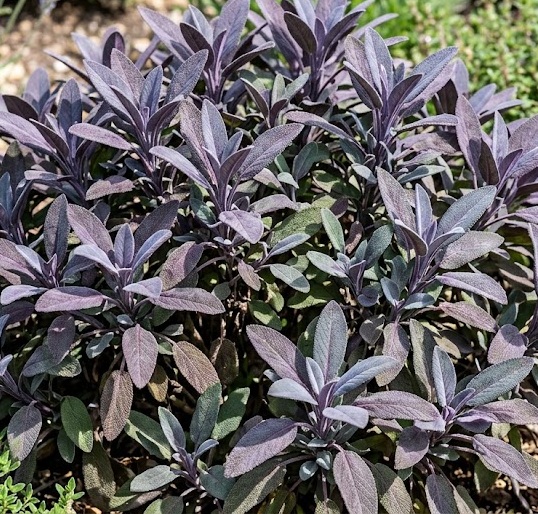
Purple Sage (Salvia officinalis 'Purple')
£6.00
A culinary sage selection with soft purple-flushed grey-green leaves, as hardy and useful in the kitchen as the plain form. Evergreen and drought tolerant once established.
5 in stock
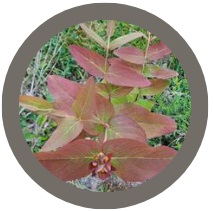
St Johns Wort (Hypericum perforatum)
£6.00
Great ground cover, thrives even in poor soil. Used medicinally, eg for cystitis.
5 in stock
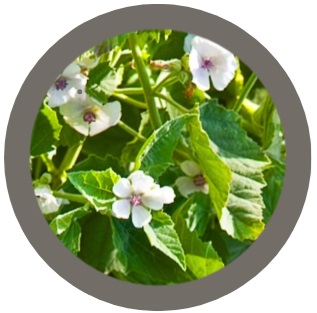
Marshmallow (Althaea officinalis)
£8.00
Marshmallow is used to treat coughs, sore throats, and digestive issues. The leaves and roots were traditionally used to make a soothing syrup, and the roots were the original source of marshmallow candy.
4 in stock
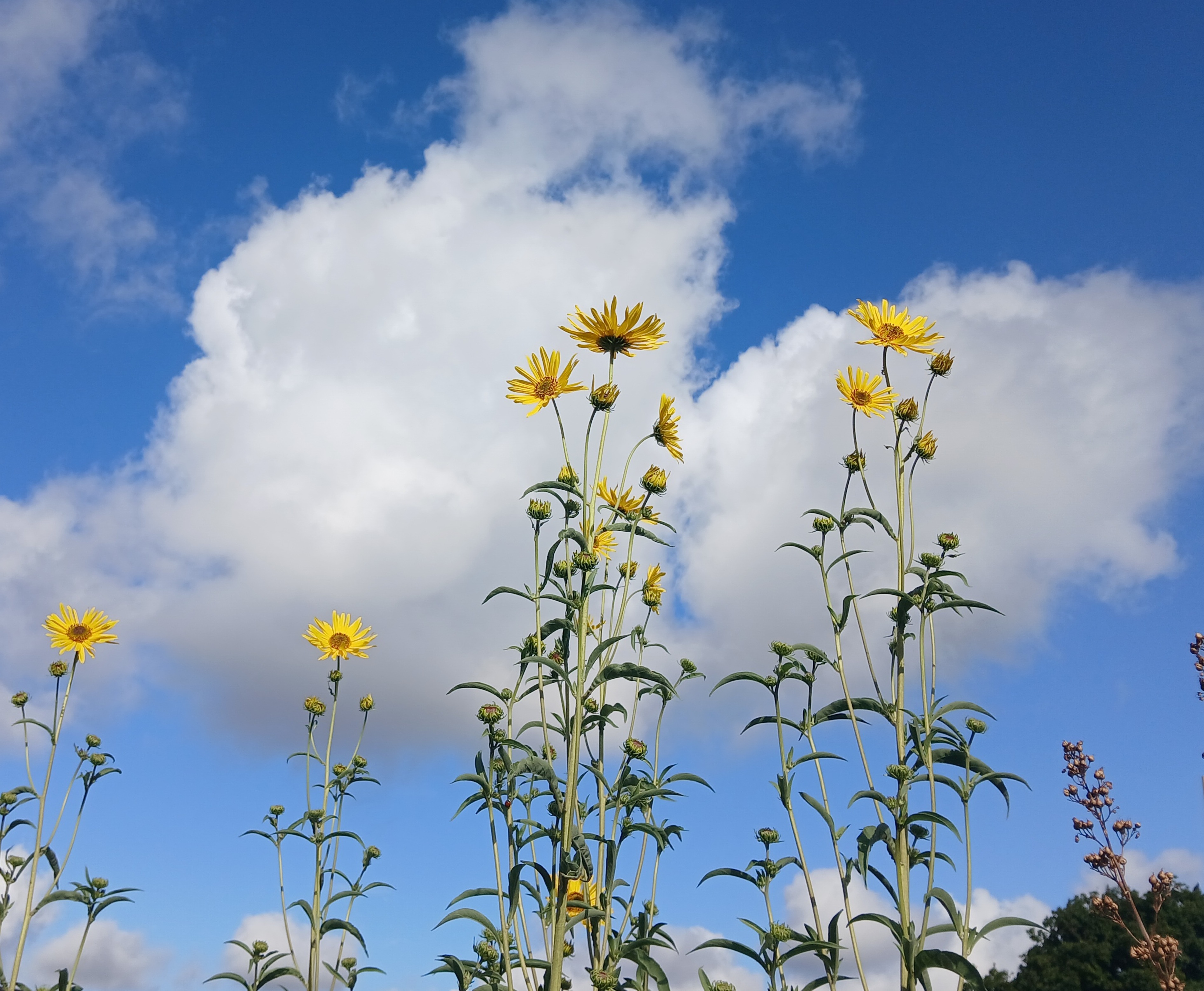
Perennial tuber Helianthus maximiliani
£8.00
A stunning plant that also produces great food! Produces edible tubers (a perennial artichoke). A mass of sunflowers stand around 1 metre tall. Likes a well-draned soil; hardy to -30°C
4 in stock
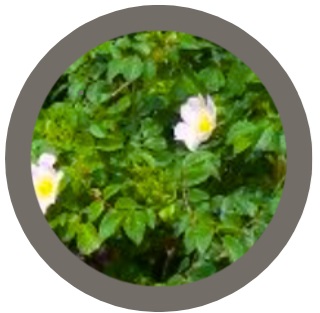
Dog Rose (Rosa canina)
£6.00
The hips are rich in vitamin C and can be used to make teas, syrups, and jams. Rosehip tea is used to boost the immune system and reduce inflammation, especially for joint health.
3 in stock
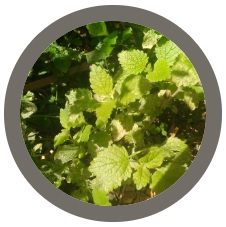
Pack of 10 plants: Lemon balm ( Melissa officinalis)
£10.00
Lemon Balm is a calming herb with a fresh lemony scent, perfect for teas and natural remedies. Easy to grow and loved by pollinators, it brings both beauty and wellbeing to your garden.
3 in stock

Salad Burnet (Sanguisorba minor)
£6.00
Leaves add a mild cucumber flavour to salads and soups.
3 in stock

Woodland / Wild Strawberry (Fragaria vesca)
£6.00
Sweet fragrant berries, delicious raw, cooking or freezing.
3 in stock
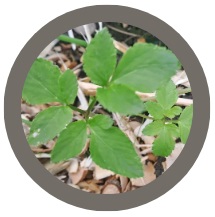
Alexanders (Smyrnium olusatrum)
£6.00
The young shoots, leaves, flower buds and roots are all edible, with a celery-like flavour; the seeds are peppery and can be ground as a condiment. Virtually evergreen over the winter and a very useful winter salad and cooking vegetable
2 in stock
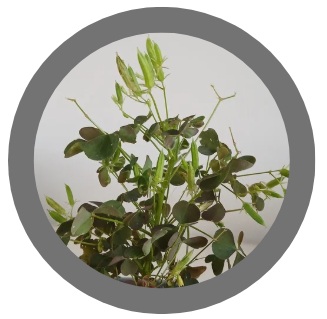
Pack of 10: Slender yellow woodsorrel (Oxalis dillenii)
£6.00
Has clover-like leaves with three heart-shaped leaflets and small, bright yellow flowers. Historically used to treat scurvy, fever, and urinary tract infections, and as a diuretic and astringent.
2 in stock

Wood Avens (Geum urbanum)
£6.00
The roots have been used as a tonic for digestive issues, fevers, and mouth infections. Clove-like flavor and can be used to flavor soups, stews, and drinks like ale. Leaves are edible in salads or as greens.
2 in stock

Wood sorrel (cuckoo meat)
£6.00
A delicate woodland plant with clover-like leaves and a sharp, lemony flavour that's given it the old country name of 'cuckoo meat'. A gentle forager's favourite, happiest in cool, shady corners.
2 in stock
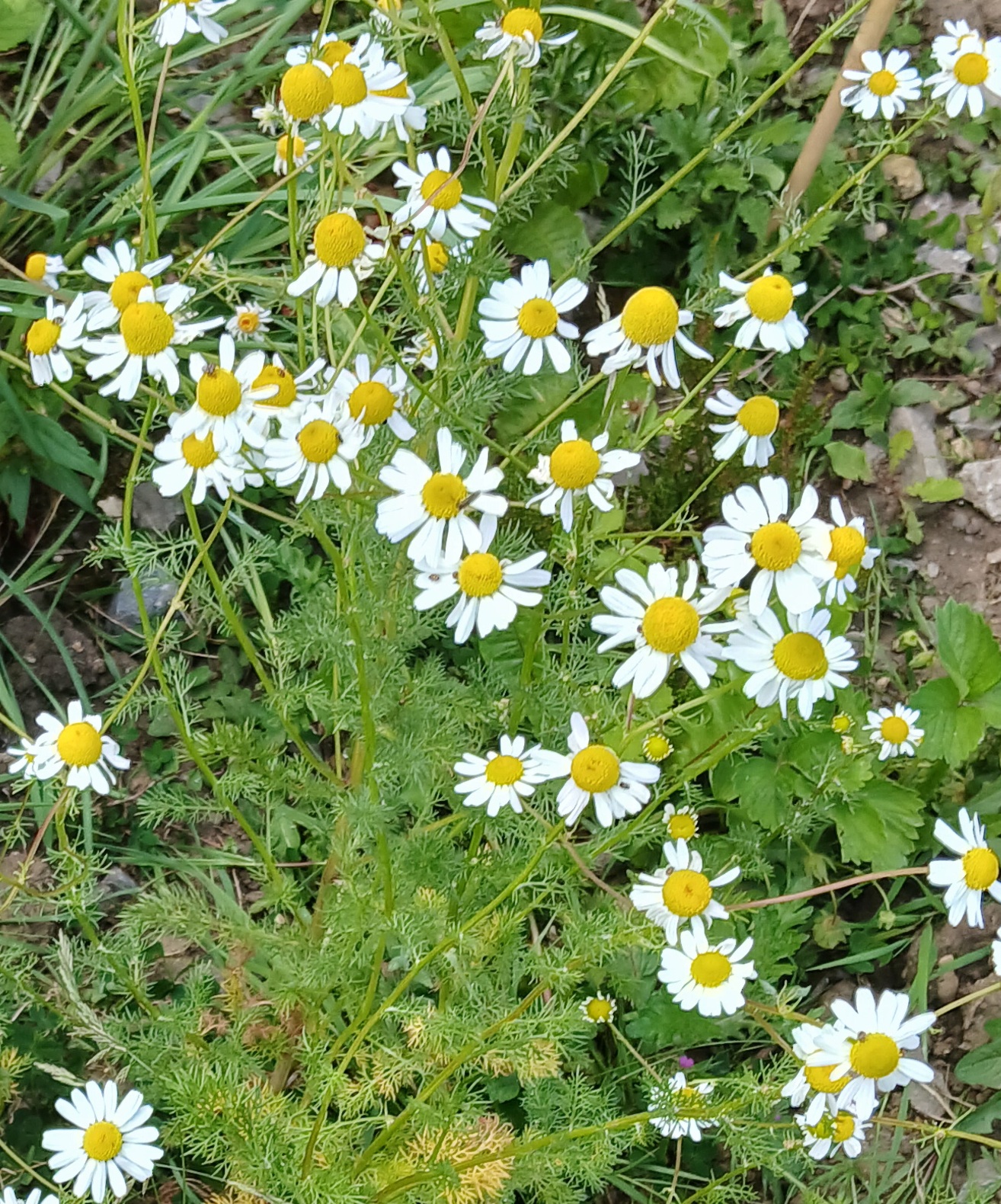
Chamomile
£6.00
A fragrant annual herb with delicate, daisy-like flowers and a long history of use in herbal traditions. Its sweet apple-like scent makes it a lovely addition to herb gardens, cottage gardens and pollinator-friendly planting. Traditionally associated with calm, cleansing and protection, chamomile has a natural place in the witch's garden.
1 in stock
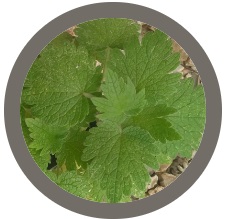
Mother wort
£8.00
Can be used as a flavouring, tea, or for medicinal uses (eg menstrual pain).
1 in stock
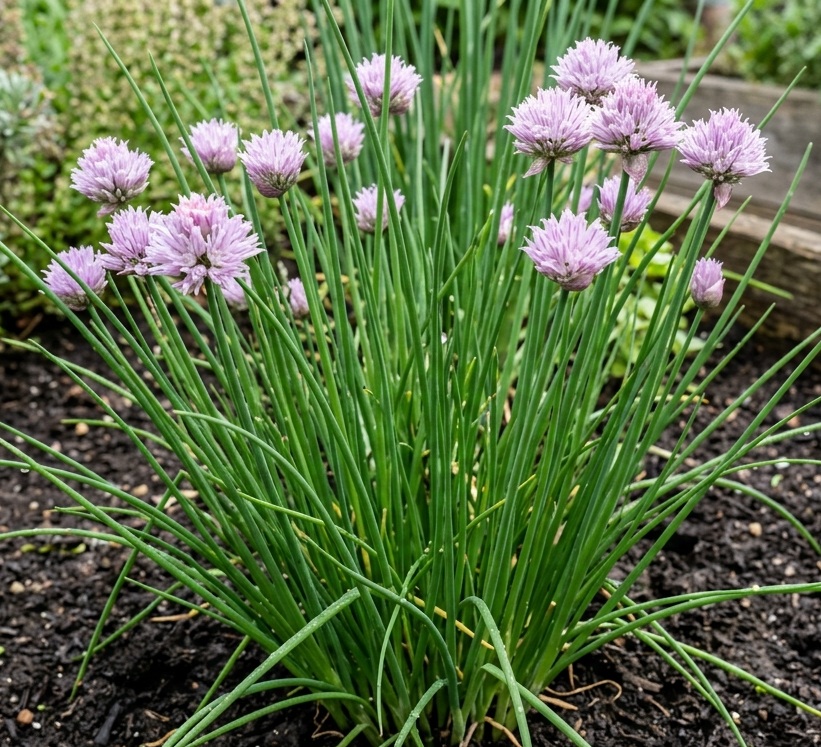
Pack of 8 Chives (Allium schoenoprasum)
£6.00
A perennial herb with hollow green leaves and edible flowers.
1 in stock
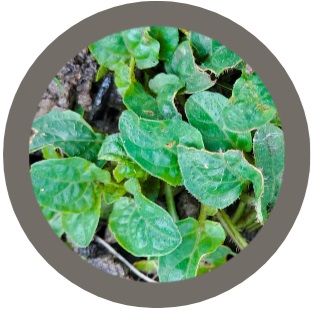
Selfheal / Self-heal / heal-all / woundwort / heart-of-the-earth / carpenter's herb, brownwort / blue curls (Prunella vulgaris)
£6.00
Traditionally used as a remedy for wounds, ulcers, and sore throats. It’s also used as an immune booster and for treating infections. The young leaves and flowers can be eaten raw in salads or cooked as a vegetable.
1 in stock
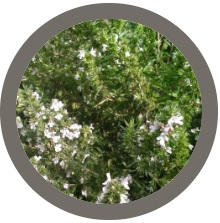
Winter Savory (Satureja Montana)
£6.00
Hardy perennial that can be used as a herb all year round, great as a substitute for basil. Can also be used medicinally, and works great as ground cover. Height and spread 50cm.
1 in stock
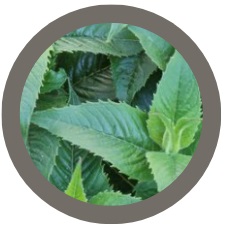
Bee Balm
£6.00
Also known as Bergamot, a vivid, shaggy-flowered herb beloved by bees, butterflies, and hummingbirds where they range. Its aromatic leaves have a long history of use in teas and traditional remedies.
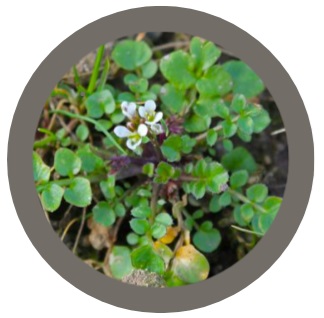
Bittercress (Cardamine hirsuta)
£6.00
A humble, often-overlooked hedgerow plant with a peppery kick, popping up in gardens everywhere each spring. Easy to forage or grow deliberately as an early, fast-cropping salad leaf.

Borage
£6.00
A fast-growing herb known for its bright blue, star-shaped flowers and coarse, slightly bristly foliage. It flowers over a long period, typically from late spring through summer, and often continues if regularly deadheaded. Traditionally, the flowers are edible and commonly used fresh as a garnish in drinks and salads. The young leaves have also been used historically in herbal cooking, though they are rough in texture and less commonly consumed today.
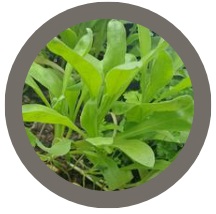
Calendula (Neon)
£6.00
Fast-growing and endlessly generous, calendula flowers steadily through the season, often long after other blooms have faded. Each plant becomes a magnet for bees and other pollinators, adding life and movement to borders while delivering armfuls of cheerful, resin-rich petals.
Easy to grow and forgiving in most soils, it’s perfect for beginners but still loved by experienced growers for its reliability. Harvest for cutting, drying, or simply enjoy it glowing in the garden like a small burst of optimism every day.

Caraway (Carum carvi)
£6.00
A biennial herb grown for its distinctive, aromatic seeds, a staple of traditional baking and pickling for centuries. Feathery carrot-like foliage in its first year is followed by umbels of white flowers and seed in its second.

Clary sage
£6.00
The flowers are attractive to bees and other pollinating insects, making it a useful addition to wildlife-friendly planting schemes. Clary sage has a long history of traditional cultivation in Europe, where it was valued in herbal gardens and occasionally used in flavouring and fragrance applications. Today it is widely grown for ornamental use, pollinator support, and its distinctive scent.

Columbine (Aquilegia vulgaris)
£6.00
A hardy perennial known for its distinctive, spurred flowers and finely divided, blue-green foliage. It typically flowers from late spring into early summer, producing nodding blooms in shades of purple, blue, pink, white, or bi-coloured forms depending on cultivar and conditions.
It grows best in partial shade to full sun in well-drained soil and is generally low maintenance once established. Plants will often self-seed freely, which can lead to natural spread in suitable garden conditions.
Aquilegia is attractive to pollinators, particularly bees, and works well in cottage garden planting schemes, woodland edges, and mixed herbaceous borders. It tolerates a range of soil types but prefers conditions that do not become waterlogged.
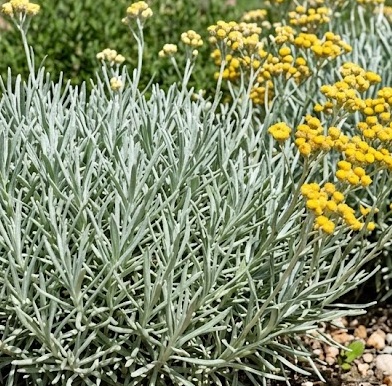
Curry Plant - Korma (Helichrysum italicum)
£6.00
A compact, silver-leaved evergreen with a warm, curry-like scent and mustard-yellow summer flowers. Thrives in a hot, dry spot.
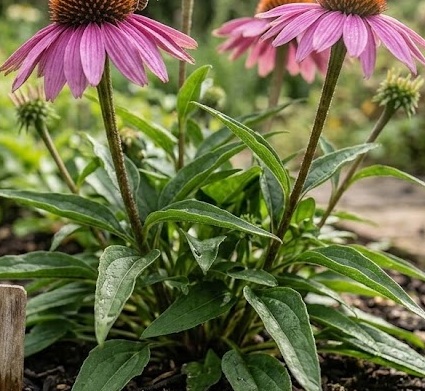
Echinacea
£6.00
A striking coneflower with daisy-like purple-pink blooms held on sturdy stems, as valued by herbalists for its immune-supporting roots as it is by bees and butterflies for its nectar. A long-flowering, hardy perennial for a sunny border.

English Lavender - Munstead (Lavandula angustifolia)
£6.00
A classic, compact English lavender with fragrant grey-green foliage and short spikes of violet-blue flowers in summer. Fully hardy and drought tolerant once established.
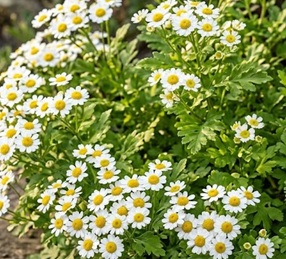
Feverfew (Tanacetum parthenium)
£7.00
A hardy, long-flowering perennial herb valued for its masses of small, daisy-like white flowers with bright yellow centres. Blooming from early summer into autumn, it provides reliable colour and attracts a wide range of pollinating insects.
Easy to grow and tolerant of a variety of conditions, feverfew thrives in full sun or partial shade and prefers well-drained soil.
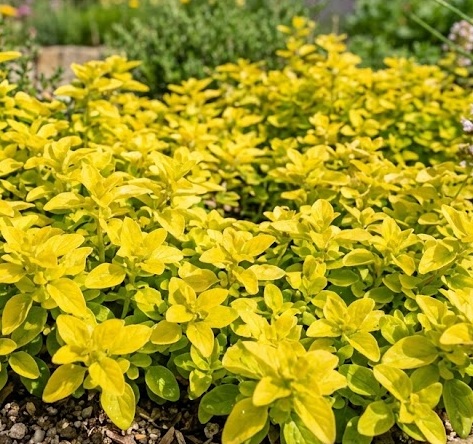
Golden Marjoram - Aureum (Origanum vulgare)
£6.00
A UK native herb selected for its bright golden foliage, forming a low, spreading mat. Aromatic, hardy, and popular with pollinators.
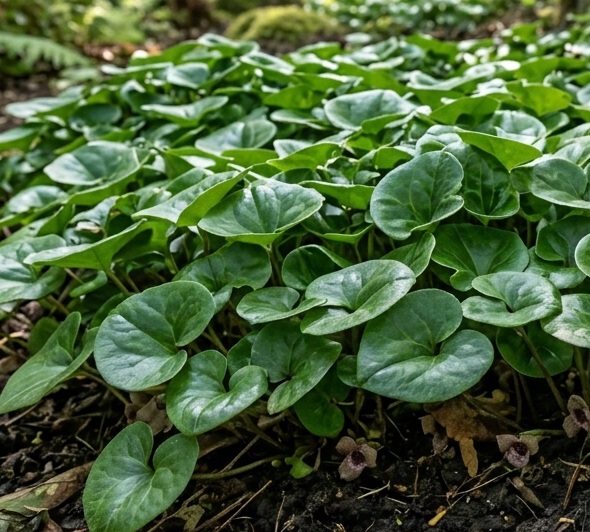
Hazelwort (Asarum europaeum)
£6.00
Hardy, evergreen, and low maintenance, hazelwort is an excellent choice for gardeners looking for attractive foliage and dependable ground cover in shaded conditions.

Hedge Woundwort (Stachys sylvatica)
£5.50
A native woodland-edge herb with deep maroon-purple flower spikes and distinctively pungent leaves, once used to dress wounds as its name suggests. Thrives in the dappled shade of a hedge bottom or woodland margin.

Hyssop - Blue (Hyssopus officinalis)
£6.00
An aromatic Mediterranean herb with narrow leaves and spikes of deep blue flowers, much loved by bees. Traditionally used in cooking and herbal medicine.
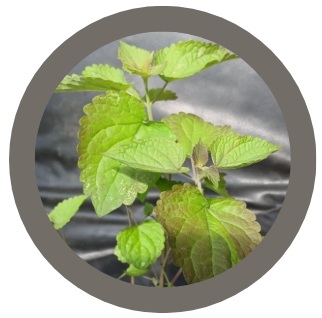
Korean Mint plant (Agastache rugosa/purple giant hyssop)
£6.00
A beautiful, fragrant herb with tall spikes of purple-blue flowers that bloom from summer into autumn. Loved by bees and butterflies, Korean Mint has an aniseed-mint scent and edible leaves—great for teas and borders. Unlike common mint, it doesn’t spread aggressively, making it easy to manage in garden beds.

Lady's Bedstraw (Galium verum)
£5.00
A native meadow perennial with frothy sprays of tiny golden flowers and a sweet, honey-like scent. Historically used to stuff mattresses and as a traditional source of yellow and red dye.
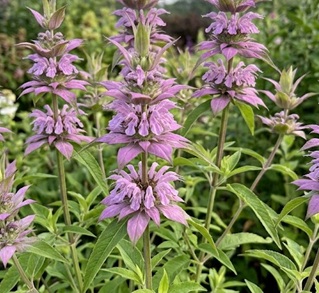
Lemon bergamot (Monarda citriodora)
£6.00
Flowering from early to late summer, it adds height, colour, and structure to borders, wildlife gardens, and naturalistic planting schemes.
The leaves release a distinctive lemon fragrance when touched, making it a popular choice for sensory gardens and areas close to paths and seating. Traditionally, the fragrant leaves have been used in herbal teas and potpourri, while the flowers make an eye-catching addition to fresh and dried arrangements.
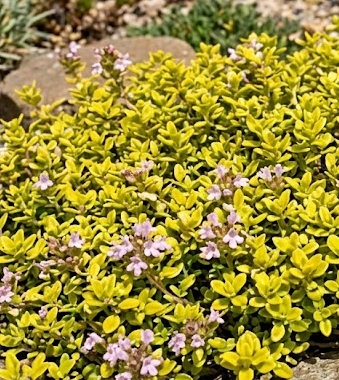
Lemon Thyme - Anderson's Gold (Thymus x citriodorus)
£6.00
A low, spreading lemon-scented thyme with bright gold-variegated foliage that intensifies in full sun. Evergreen, drought tolerant, and useful both ornamentally and in the kitchen.

Liquorice (Glycyrrhiza glabra)
£7.00
A historic root crop once grown commercially in Yorkshire to supply England's liquorice trade, with handsome pea-like foliage and spikes of pale blue flowers. The sweet root takes several years to reach harvestable size, rewarding patience with a genuine taste of history.
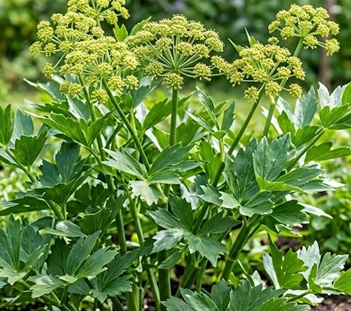
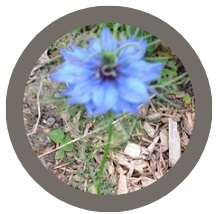
Love-in-a-mist (Nigella damascena)
£6.00
An easy-to-grow annual prized for its delicate, fern-like foliage and intricate star-shaped flowers. Blooming from late spring through summer, it produces shades of blue, white, pink, and purple, each flower surrounded by a fine mist of feathery leaves that give the plant its common name.
Thriving in full sun and well-drained soil, Love-in-a-Mist is low maintenance and readily self-seeds, often returning year after year to create natural drifts of colour. After flowering, the attractive seed pods provide additional interest and are highly valued for dried flower arrangements.
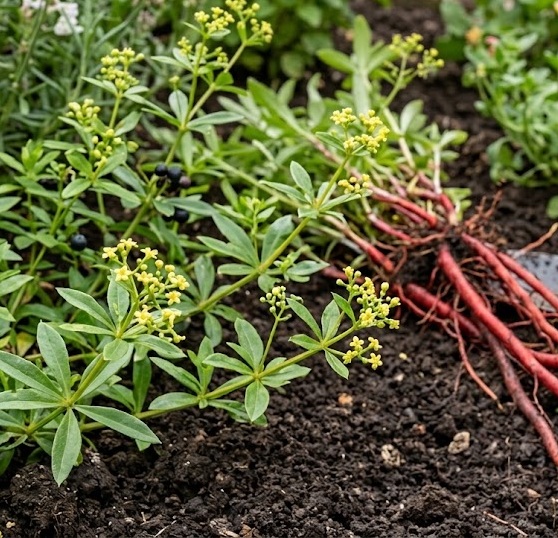
Madder
£6.00
The source of madder red, one of the oldest and most prized natural dyes, drawn from this sprawling perennial's long roots. A traditional dye garden staple with a history stretching back to ancient Egypt.
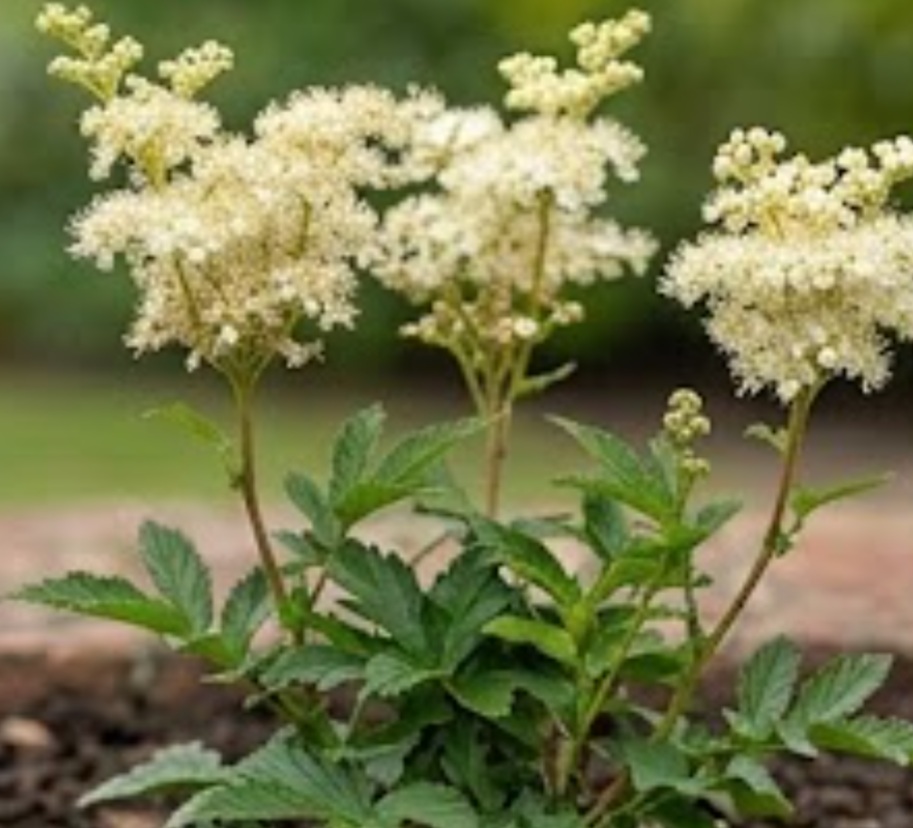
Meadowsweet (Filipendula ulmaria)
£5.00
A native wildflower of damp meadows and ditches, with frothy, sweetly-scented cream flowerheads through summer. Long used in traditional herbalism and as a strewing herb for its honeyed scent.
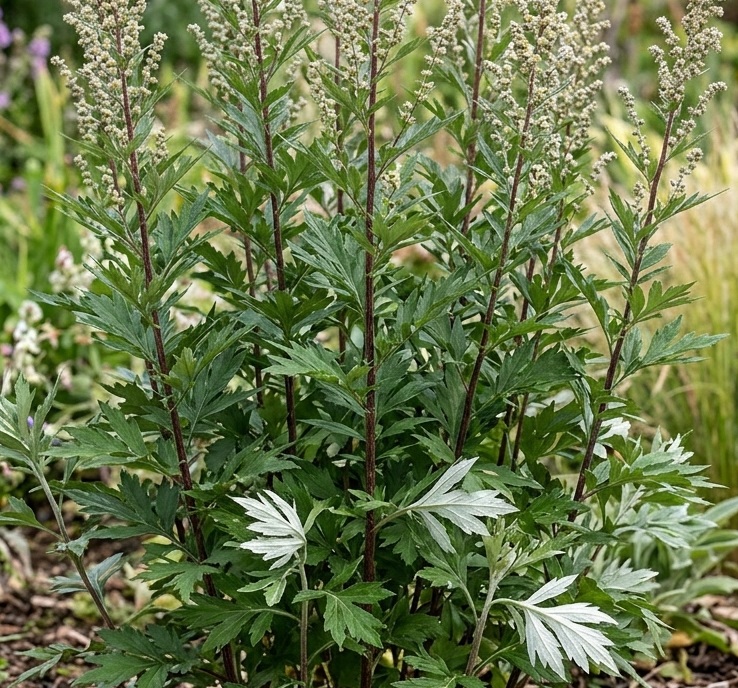
Mugwort (Artemisia Vulgaris)
£6.00
A hardy native perennial valued for its aromatic foliage, upright growth, and long history of cultivation. Its deeply divided dark green leaves are silvery beneath, creating attractive contrast and movement in borders and naturalistic plantings. Traditionally, mugwort has been grown for centuries in herb gardens and was widely used in European folklore, crafts, and herbal traditions. The fragrant foliage has also been used in potpourri and dried arrangements.

Okahijiki - Japanese land seaweed (Salsola komarovii)
£6.00
An unusual annual vegetable grown for its crisp, succulent foliage and mild, naturally salty flavour. Popular in Japanese cuisine, the young shoots are harvested and eaten fresh in salads, lightly steamed, stir-fried, or used as a garnish.
Despite its common name, it is not a seaweed but a terrestrial plant that produces fine, branching stems with a distinctive appearance reminiscent of marine vegetation. Fast-growing and productive, it can be harvested repeatedly while young for the best texture and flavour.

Rosemary (Rosmarinus officinalis)
£6.00
A classic Mediterranean culinary herb with narrow, aromatic evergreen leaves and pale blue flowers loved by early-season bees. Thrives in a hot, dry, well-drained spot.

Safflower
£6.00
A thistle-like annual with vivid orange-gold flowerheads, traditionally grown for dye, oil, and as a saffron substitute. Easy to grow and a cheerful addition to a dye or cutting garden.
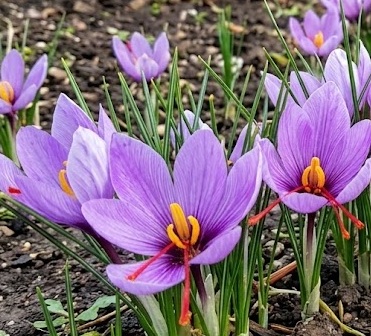
Saffron crocus
£6.00
The true saffron crocus, whose crimson stigmas are hand-harvested each autumn to produce the world's most prized spice. A small, hardy corm that rewards patience with a flush of lilac autumn flowers.
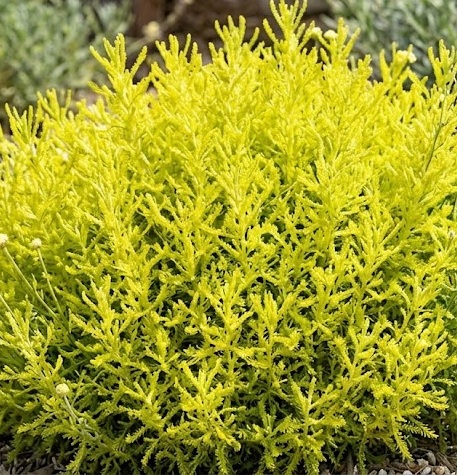
Santolina - Lemon Fizz (Santolina rosmarinifolia)
£6.00
A finely textured, aromatic evergreen shrublet with bright green, feathery foliage and cheerful lemon-yellow button flowers in summer. Drought tolerant once established and ideal for a sunny border edge.

Saw-wort
£6.00
A quietly handsome native perennial with saw-toothed leaves and thistle-like purple flowerheads, long used as a source of yellow dye. An unassuming but historically important plant of old hay meadows.

Scurvy Grass (Cochlearia officinalis)
£6.00
A hardy native coastal plant with a sharp, peppery bite and a long history as a sailors' remedy against scurvy, thanks to its high vitamin C content. Easy to grow in a sunny spot with good drainage.

Skullcap (Scutellaria galericulata)
£5.00
A native waterside herb with distinctive helmet-shaped blue flowers, traditionally used in herbal medicine for its calming properties. Thrives in damp ground at a pond edge or boggy border.

Spearmint (Mentha spicata 'Spear')
£6.00
A vigorous, classic culinary mint with bright green, strongly spearmint-scented leaves. Spreads readily, so best contained in a pot; happy in sun or part shade.
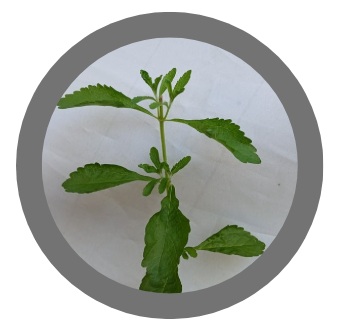
Stevia rebaudiana
£6.00
A perennial herb known for its naturally sweet-tasting leaves, which contain steviol glycosides—compounds that are up to 300 times sweeter than sugar but contain zero calories. Easy to grow in pots or the ground, Stevia prefers well-drained soil and full sun, thriving in warm, sheltered spots. In colder climates, it can be brought indoors over winter. It’s non-invasive, fast-growing, and can be harvested multiple times in a growing season.
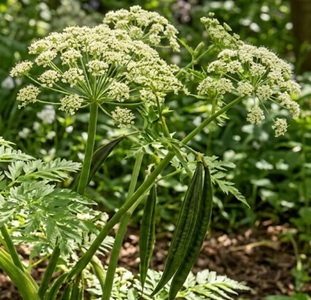
Sweet Cicely (Myrrhis odorata)
£6.00
Great flavour and useful as a companion plant in the garden to keep pests away.


Sweet woodruff (Galium odoratum)
£6.00
A low-growing, shade-loving perennial ground cover valued for its delicate foliage and spring flowers. It forms spreading mats of whorled, bright green leaves, typically reaching 10–20 cm in height, making it well suited to woodland gardens and shaded borders. When dried, the foliage develops a distinct sweet, hay-like fragrance due to natural coumarin content. Traditionally, this has been used to scent linens, potpourri, and drinks such as May wine in parts of Europe.


Toothache Plant (Acmella oleracea)
£6.00
A striking curiosity plant with golden, eyeball-like flower buds that deliver an intense tingling, numbing sensation when chewed - hence the name. Long used in folk medicine for toothache and mouth ailments, and increasingly popular with adventurous cooks for its unique 'electric' sensation.
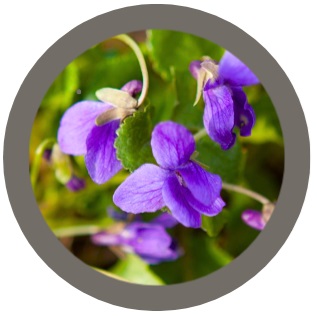
Violet (Viola odorata)
£6.00
Violets have been used to treat respiratory conditions, soothe headaches, and promote relaxation. The flowers are edible and often used to decorate cakes, salads, or made into syrups.
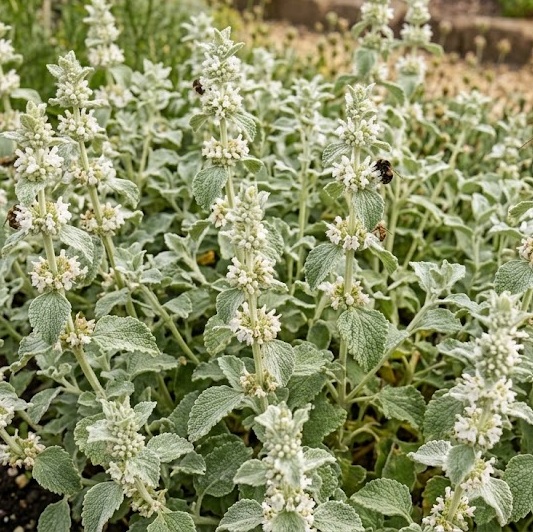
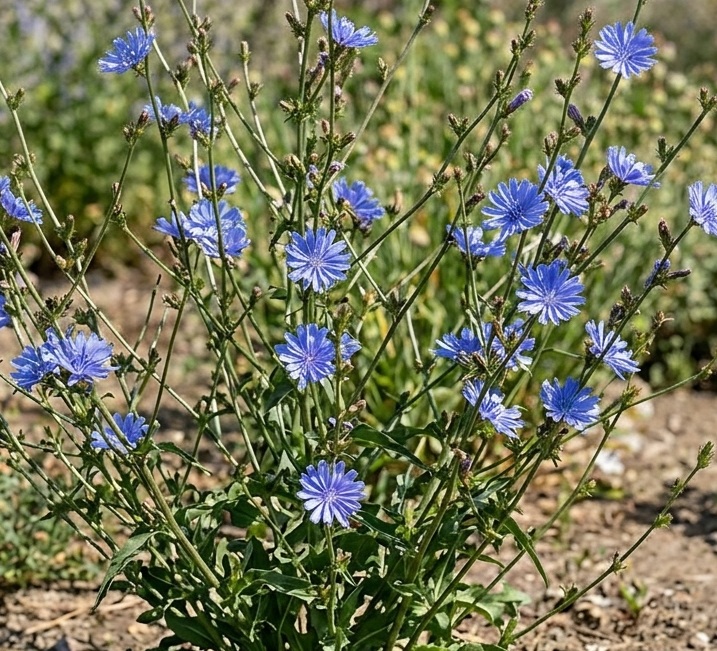
Wild Chicory (Cichorium intybus)
£6.00
A hardy perennial wildflower valued for its striking sky-blue flowers and long flowering season. Blooming from summer into early autumn, it produces masses of daisy-like flowers on tall, branching stems that can reach over a metre in height.
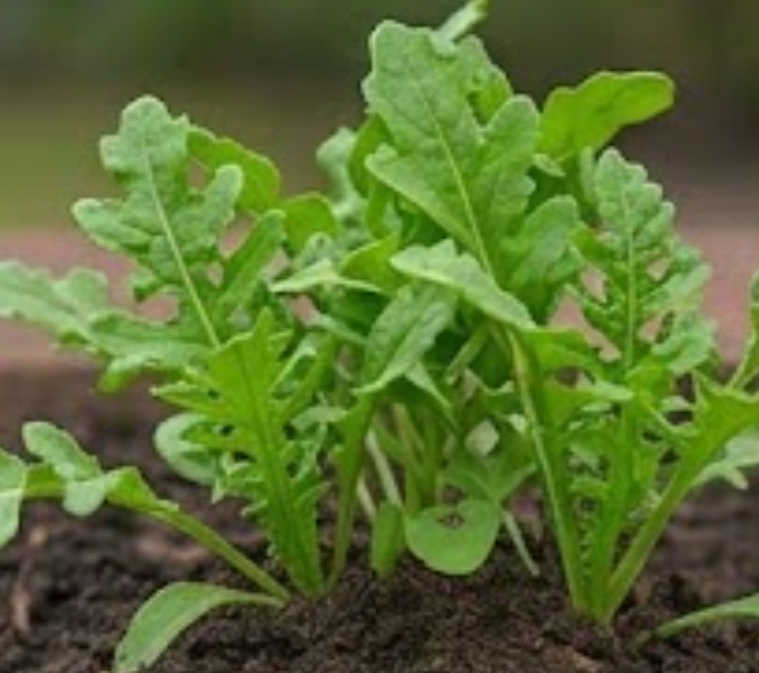
Wild Rocket (Diplotaxis tenuifolia)
£6.00
A peppery, deeply-lobed salad green with a much stronger flavour than cultivated rocket, self-seeding readily once established. A reliable, long-cropping perennial for a sunny, well-drained spot.

Wintergreen (Gaultheria procumbens)
£6.00
Low growing evergreen shrub with aromatic leaves used in teas.
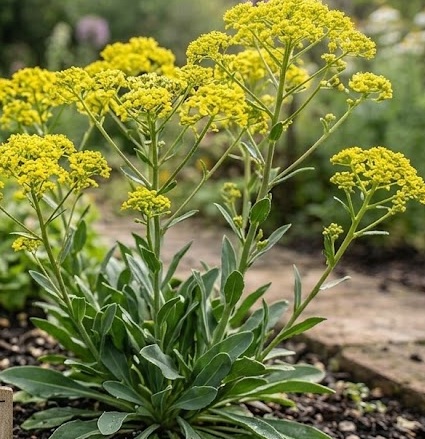
Woad
£6.00
The ancient blue dye plant of the Britons, grown for centuries to produce a rich indigo pigment from its leaves. A hardy biennial with cheerful yellow flowers in its first summer, followed by drooping black seed pods.
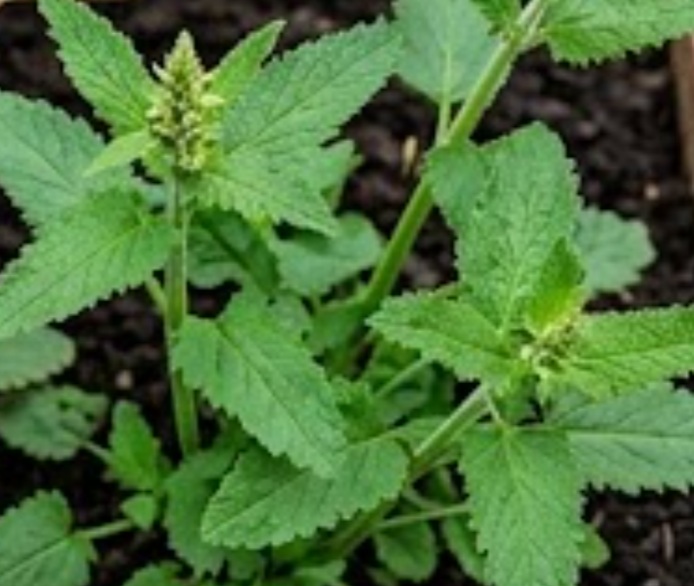
Wood Betony (Stachys officinalis)
£5.00
A traditional native herb with handsome rosettes of crinkled leaves and spikes of purple-pink flowers, once considered a cure-all and planted in churchyards to ward off evil spirits. A hardy, easy-going perennial for a sunny bank or meadow edge.
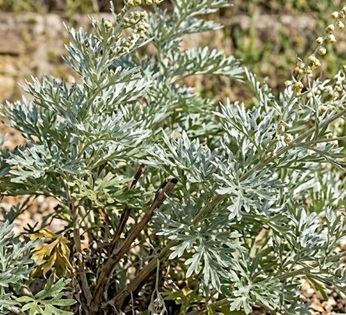
Wormwood
£6.00
A hardy perennial herb grown for its strongly aromatic, silvery-grey foliage and upright, bushy habit. The finely divided leaves give it a soft, feathery appearance, making it a useful structural plant in herb gardens, gravel gardens, and dry borders.